Homesteading combines practical skills such as gardening, food preservation, livestock care, cooking from scratch, traditional crafts, DIY projects, and self-sufficient living. The best homesteading books can help you learn these skills systematically instead of trying to piece together information from dozens of unrelated sources.
Whether you’re planning a rural homestead, starting a small backyard garden, or simply becoming more self-reliant, a good homesteading book can become a long-term reference you return to season after season.
But not every homesteading guide serves the same purpose. Some books focus on growing food, others on livestock, food preservation, traditional skills, or complete self-sufficient living.
This guide compares five best homesteading books for different goals, property sizes, and experience levels.
Quick Answer: What Are the Best Homesteading Books?
If you want to build a practical homesteading library, these five books cover different aspects of self-sufficient living:
- The Encyclopedia of Country Living — best for a comprehensive homesteading reference
- The Self-Sufficient Life and How to Live It — best for traditional self-sufficiency and off-grid living
- The Backyard Homestead — best for small-scale and backyard homesteading
- Back to Basics — best for traditional DIY and practical skills
- The Weekend Homesteader — best for beginners with limited time or space
There is no single book that covers every homesteading situation perfectly. The best choice depends on whether your priority is gardening, livestock, food preservation, traditional skills, backyard food production, or complete self-sufficiency.
Best Homesteading Books at a Glance
| Book | Best For | Main Focus | Experience Level |
|---|---|---|---|
| The Encyclopedia of Country Living | Complete homesteading reference | Gardening, livestock, food, crafts, self-sufficiency | Beginner to advanced |
| The Self-Sufficient Life and How to Live It | Off-grid self-sufficiency | Food, livestock, energy, crafts, land | Beginner to advanced |
| The Backyard Homestead | Small properties | Gardening, animals, food preservation | Beginner to intermediate |
| Back to Basics | Traditional skills | DIY, food, crafts, energy, homestead skills | Beginner to intermediate |
| The Weekend Homesteader | Beginners and busy people | Seasonal projects and practical self-sufficiency | Beginner |
Other Recommend Products
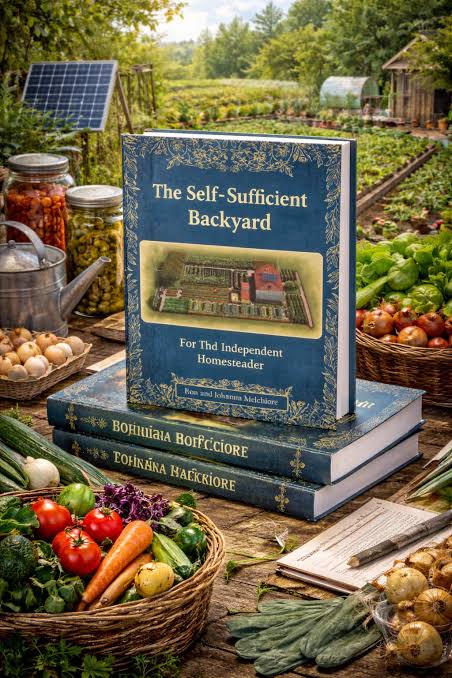
The Self-Sufficient Backyard: For The Independent Homesteader (Best)
Turn a typical money-draining house or small quarter-acre yard into a self-sustaining, debt-free homestead using 40 years of proven off-grid wisdom.
The Self-Sufficient Backyard is a comprehensive DIY homesteading manual written by Ron and Johanna McCallum, who have lived completely off-grid for over 40 years. This guide breaks down how to generate independent solar energy, harvest rain water, set up year-round greenhouses, cultivate high-yield organic gardens on minimal land, and preserve food without electricity. Packed with over 75 step-by-step projects and detailed visual illustrations, it offers practical, low-maintenance solutions for anyone seeking energy independence, food security, and total self-reliance.

The Lost Superfoods by Claude Davis
Discover forgotten survival foods and pioneer preservation secrets that last for years on your shelf without any refrigeration.
The Lost Superfoods is Packed with high-resolution color photos, precise nutritional breakdowns, and step-by-step instructions, this guide details 126 time-tested recipes and historical preservation hacks—including the Cold War “Doomsday Ration,” long-lasting native breads, fermented soups, and 10-year egg storage methods—allowing preppers and families to build a nutrient-dense, low-cost food stockpile to withstand any long-term crisis or power grid failure.

The Eggs Factory: Backyard Chicken Coop Guide
Stop paying inflated grocery prices for pale, factory-farmed eggs—discover how to build your own high-yield backyard coop for under $100.
The Eggs Factory is a beginner-friendly DIY blueprint guide designed to help families and homesteaders secure an endless supply of fresh, organic eggs right from their backyard. Requiring as little as 50 square feet of space, this step-by-step system provides easy-to-follow assembly plans, 3D diagrams, and material cut lists that allow anyone to construct a durable, predator-proof chicken coop in a single weekend. Complete with flock health checklists and organic feed recipes, it offers a practical path toward household food independence.
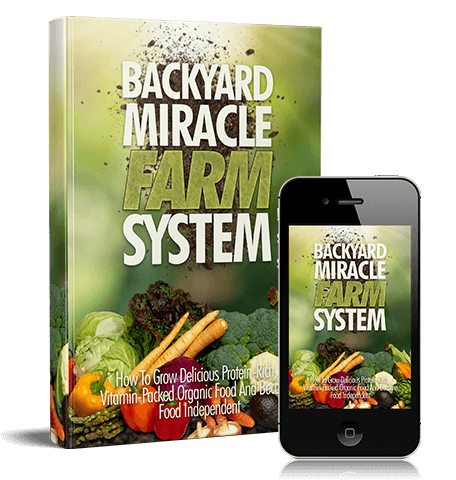
The Self-Replenishing Food Farm (Organic Farming)
Never worry about grocery shortages again—discover how to build a self-sustaining, high-yield food bank in your own backyard using zero soil or chemical fertilizers.
The Self-Replenishing Food Farm is a step-by-step DIY guide designed to help families achieve total food security by building an automated, space-saving food production system. Built around sustainable agricultural principles, this program shows you how to harvest a continuous supply of fresh, nutrient-rich vegetables, fruits, and herbs year-round—even in small yards or cold climates. Perfect for preppers, homesteaders, and beginners, it eliminates heavy tilling, constant weeding, and high watering costs to provide a reliable, long-term hedge against food inflation and crisis supply shortages.
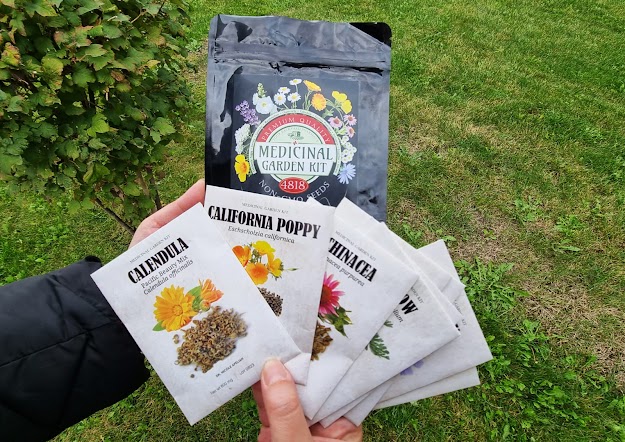
The Medicinal Garden Kit by Dr. Nicole Apelian
Transform your backyard into a natural health sanctuary—grow 10 essential medicinal herbs to craft your own home remedies for pain, sleep, and immunity.
Created by biologist, survival expert, and herbalist Dr. Nicole Apelian, The Medicinal Garden Kit provides thousands of non-GMO seeds across 10 powerhouse healing plants—including Chicory, Yarrow, California Poppy, Lavender, and Chamomile. Accompanied by a detailed printed guide, this all-in-one kit walks you step-by-step through planting, harvesting, and transforming your home garden into custom tinctures, salves, poultices, and teas for long-term health self-reliance.
Home Grid Freedom
Take back your power and permanently cut utility bills with a simple, budget-friendly off-grid power setup built for total household security.
Home Grid Freedom is an accessible DIY energy manual created to help families break free from skyrocketing utility rates and unpredictable power outages. The system provides simple, step-by-step assembly guides to construct a lightweight, high-output backup energy generator using affordable, off-the-shelf components. Ideal for preppers, suburban homeowners, and off-grid builders, this system safely powers essential electronics, refrigerators, and lighting during major blackouts, extreme weather events, or grid failures without noisy, fuel-hungry generators.
What Can You Learn From Homesteading Books?
The best homesteading books cover a surprisingly wide range of practical skills.
Growing Your Own Food
Gardening is often the starting point for new homesteaders.
Useful topics include:
- Vegetable gardening
- Herbs
- Fruit trees
- Seed starting
- Soil improvement
- Composting
- Crop planning
- Seed saving
- Seasonal gardening
- Small-space food production
Food Preservation
Growing food is only part of the process.
A productive homestead also needs ways to preserve surplus harvests.
Books may cover:
- Canning
- Drying
- Freezing
- Fermentation
- Pickling
- Root-cellaring concepts
- Pantry storage
- Seasonal cooking
For food preservation, always cross-check techniques involving processing temperatures, acidity, pressure canning, and storage against current authoritative food-safety guidance.
Raising Animals
Depending on land, climate, regulations, and experience, homesteading may involve:
- Chickens
- Ducks
- Rabbits
- Goats
- Sheep
- Pigs
- Cattle
- Bees
Livestock books can help with breed selection, housing, feeding, handling, and basic management.
However, animal health problems should be addressed using current veterinary guidance rather than relying solely on an older book.
Traditional Skills
Homesteading is also about learning to make and repair things.
Traditional skills can include:
- Carpentry
- Woodworking
- Sewing
- Spinning
- Weaving
- Soap making
- Cooking from scratch
- Cheese making
- Bread making
- Basic repairs
These skills can complement gardening and livestock knowledge.
Homesteading Books for Small Properties
You don’t necessarily need a large farm to practice homesteading skills.
A small property can support projects such as:
- Container gardening
- Raised beds
- Herb gardens
- Composting
- Backyard chickens where permitted
- Food preservation
- Seed saving
- Rainwater management where legal and appropriate
- Small fruit plantings
- DIY storage
- Cooking from scratch
The Backyard Homestead is particularly relevant here because it focuses on producing food and keeping selected animals within a relatively small footprint.
The important point is to match the project to your available land, climate, water, time, local regulations, and household needs.
Homesteading vs. Self-Sufficiency
These terms are related but don’t necessarily mean exactly the same thing.
Homesteading generally refers to a lifestyle built around practical skills, land use, food production, self-reliance, and often a closer relationship with natural systems.
Self-sufficiency is a broader concept involving the ability to meet more of your own needs rather than depending entirely on outside systems.
A person can practice homesteading without being completely self-sufficient.
For example, you might:
- Grow vegetables
- Keep chickens
- Preserve seasonal food
- Make bread
- Compost
- Repair household items
while still purchasing electricity, fuel, clothing, tools, or other necessities.
That is why the best homestead books should be selected according to your personal definition of self-reliance rather than an unrealistic expectation of complete independence.
How to Choose the Best Books for Homesteading
Before buying a homesteading book, consider these factors.
1. Your Experience Level
Beginners generally benefit from books that explain fundamentals clearly.
More experienced homesteaders may prefer specialist books that go deeper into:
- Soil management
- Livestock
- Food preservation
- Orchard management
- Permaculture
- Renewable energy
- Construction
2. Your Property Size
A book written for a large farm may not be practical for someone working with a suburban yard.
Look for books that match your:
- Acreage
- Climate
- Water availability
- Soil
- Local regulations
- Storage space
3. Your Main Goal
Ask yourself what you want to learn first.
Is it:
- Growing food?
- Raising chickens?
- Preserving food?
- Building a garden?
- Living off-grid?
- Reducing household dependence?
- Learning traditional skills?
Choose your first book around that goal.
4. Visual Instruction
Homesteading involves many physical processes.
Photographs, illustrations, diagrams, measurements, and project plans can make a book considerably easier to use.
5. Current Information
Older homesteading books can contain valuable traditional knowledge, but some information changes over time.
Always verify current information concerning:
- Food safety
- Animal health
- Electrical systems
- Building codes
- Water systems
- Agricultural regulations
- Equipment safety
Do You Need More Than One Homesteading Book?
Usually, yes.
Homesteading is too broad for a single book to provide expert-level information about every subject.
A practical library might include:
One General Homesteading Reference
Choose a broad book such as The Encyclopedia of Country Living.
One Gardening Book
Focus specifically on growing food in your climate.
One Food Preservation Book
Learn safe methods for canning, drying, fermenting, freezing, and storage.
One Livestock Book
Choose a specialist guide if you plan to keep chickens, goats, bees, or other animals.
One Self-Sufficiency Book
Add a broader reference covering energy, crafts, food systems, and traditional skills.
This creates a more useful library than relying on one enormous book for everything.
Are Homesteading Books Still Worth Buying?
Yes, particularly when the book is designed as a long-term reference.
Homesteading involves seasonal activities, and you may need the same information repeatedly.
A book can be useful when:
- Planning next year’s garden
- Preparing for planting season
- Preserving a large harvest
- Adding livestock
- Building a new structure
- Learning a traditional skill
- Troubleshooting a project
- Planning a more self-sufficient lifestyle
Digital resources can supplement books, especially when you need current information, but a well-organized physical reference remains useful for long-term learning.
How We Selected These Homesteading Books
The recommendations in this guide were selected to cover different interpretations of homesteading rather than simply listing five books that all teach the same thing.
We considered:
- Breadth of practical skills
- Relevance to homesteading
- Beginner accessibility
- Small-property usefulness
- Self-sufficiency coverage
- Traditional skills
- Food production
- Livestock and household skills
- Long-term reference value
We also compared how established homesteading guides structure their recommendations. Current competitor guides commonly divide books by topics such as gardening, food preservation, livestock, self-sufficiency, small-scale homesteading, and traditional skills.
The five books above were selected to give readers a clear starting point rather than an arbitrary ranking.
Frequently Asked Questions About Homesteading Books
What are the best books for homesteading beginners?
Beginners should generally start with a broad guide that explains multiple homesteading systems without assuming extensive experience. The Backyard Homestead, The Weekend Homesteader, and The Encyclopedia of Country Living are useful starting points because they cover multiple practical areas at different levels of depth.
What are the best homesteading books for self-sufficiency?
For broad self-sufficiency, consider The Encyclopedia of Country Living and The Self-Sufficient Life and How to Live It. Both extend beyond gardening into food, animals, household skills, and other aspects of independent living.
What are the best homestead books for a small property?
The Backyard Homestead is particularly relevant for small-property homesteading because it focuses on productive use of limited space, including food crops, animals, and food preservation.
Can I start homesteading without owning land?
Yes. Many homesteading skills can be practiced without a large rural property.
You can begin with:
- Container gardening
- Herbs
- Composting
- Food preservation
- Cooking from scratch
- Seed saving
- Small-scale gardening
- DIY projects
Your available space will determine which projects are practical.
What should I learn first when starting a homestead?
Start with skills that fit your current resources and needs.
A practical progression is:
- Learn basic gardening.
- Improve soil and composting.
- Learn food preservation.
- Develop cooking and pantry skills.
- Add appropriate livestock if permitted.
- Learn basic repairs and DIY.
- Gradually expand toward broader self-sufficiency.
What is the difference between homesteading and farming?
Farming generally focuses on agricultural production, often with commercial objectives. Homesteading is broader and may combine food production with gardening, livestock, food preservation, household skills, DIY projects, traditional crafts, and self-sufficient living.
Are old homesteading books still useful?
Yes, but they should be used carefully.
Older books can provide valuable traditional techniques and historical knowledge, but information relating to food safety, animal health, building standards, electrical systems, and modern equipment should be checked against current authoritative sources.
What is the best homesteading book for gardening?
A general homesteading book can provide a useful introduction, but dedicated gardening books are usually better when you need detailed information about crops, soil, climate, pests, seed starting, or orchard management.
Can homesteading books teach you to live completely off-grid?
They can introduce many of the skills involved in off-grid living, including food production, preservation, renewable energy concepts, water management, and traditional crafts.
However, complete off-grid living involves site-specific engineering, regulations, equipment, climate considerations, and practical experience that cannot be covered adequately in one book.
How many homesteading books do I need?
You don’t need a large library when starting.
One broad reference book plus one or two specialist guides for your immediate projects is usually a more practical starting point. Expand your library as you discover which areas of homesteading you actually want to pursue.
Final Thoughts: Choosing the Best Homesteading Books
The best homesteading books are the ones that help you turn an interest in self-sufficient living into practical skills.
For a broad reference, The Encyclopedia of Country Living covers an exceptionally wide range of country-living and self-sufficiency topics. The Self-Sufficient Life and How to Live It is useful for readers interested in traditional self-sufficiency and off-grid concepts.
If you have limited land, The Backyard Homestead provides a more focused approach to small-scale food production. Back to Basics expands into traditional DIY and practical skills, while The Weekend Homesteader offers a manageable project-based approach for people with limited time.
You don’t need to become completely self-sufficient overnight. Start with one skill, practice it, learn from your mistakes, and gradually build a collection of abilities that makes your household more capable and resilient.
Related Survival & Self-Sufficiency Guides
You may also want to explore:
- Best DIY Books
- Best Wilderness Survival Books
- Best Off-Grid Survival Books
- Best Woodworking Books
- Best Survival Food Books
- Best Survival Medicine Books