Survival food recipes are most useful when they turn the food already sitting in your emergency pantry into meals you can actually eat.
Stockpiling rice, beans, oats, canned vegetables, pasta, peanut butter, and other shelf-stable ingredients is only part of emergency food preparation. You also need to know how to combine those ingredients into simple, filling meals, especially when refrigeration, electricity, or normal cooking equipment isn’t available.
The best emergency recipes are:
- Easy to prepare
- Made with common shelf-stable ingredients
- Adaptable to what you have available
- Suitable for limited cooking equipment
- Reasonably nutritious
- Easy to scale for a family
- Practical during power outages or other disruptions
This guide includes survival food recipes, ideas for the best foods to stockpile, homemade survival foods, no-cook options, emergency cooking methods, food-storage tips, and five useful books for building your preparedness food library.
Food-safety note: Survival food should be planned around safe storage and preparation. Perishable foods require temperature control, and home-canned foods should be prepared using current, research-tested recipes. The National Center for Home Food Preservation specifically recommends using tested recipes from reliable sources for home canning.
Survival Food Recipes at a Glance
| Recipe | Main Ingredients | Cooking Required | Best For |
|---|---|---|---|
| Rice & Beans | Rice, beans, tomatoes, spices | Yes | Main meal |
| Lentil Vegetable Stew | Lentils, vegetables, broth | Yes | Filling dinner |
| Peanut Butter Oatmeal | Oats, peanut butter, milk powder | Yes | Breakfast |
| Tuna Pasta | Pasta, canned tuna, vegetables | Yes | Protein-rich meal |
| Potato & Bean Soup | Potatoes, beans, broth | Yes | Cold-weather meal |
| Bean & Corn Salad | Canned beans, corn, vegetables | No | No-power meal |
| Couscous Bowl | Couscous, vegetables, beans | Hot water | Fast meal |
| Emergency Fried Rice | Rice, canned vegetables, seasoning | Yes | One-pot meal |
| Oatmeal Energy Bites | Oats, peanut butter, honey | No | Snack |
| Pasta & Tomato Beans | Pasta, tomato, beans | Yes | Pantry dinner |
| Peanut Butter Oat Bars | Oats, peanut butter, honey | Minimal | Long-lasting snack |
| Hardtack | Flour, water, salt | Yes | Long-storage staple |
| Trail Mix | Nuts, seeds, dried fruit | No | Portable food |
| Emergency Soup | Dehydrated vegetables, broth, grains | Yes | Simple dinner |
| Bean & Rice Wraps | Beans, rice, tortillas | Optional | Family meal |
What Are the Top 10 Survival Foods?
There is no universal list of ten foods that works for every household. The best emergency foods depend on storage conditions, cooking equipment, water availability, dietary needs, budget, and how long you need the food to last.
However, these categories are practical starting points:
- Rice
- Beans and lentils
- Oats
- Pasta
- Canned vegetables
- Canned fruits
- Canned fish or meat
- Peanut butter and other suitable nut butters
- Shelf-stable milk or powdered milk
- Dried fruits and vegetables
Other useful pantry items include:
- Flour
- Cooking oil
- Salt
- Sugar or honey
- Bouillon
- Spices
- Crackers
- Cereal
- Shelf-stable sauces
- Ready-to-eat canned meals
The goal isn’t to find one “perfect” survival food. A varied pantry is generally more useful than a large quantity of one ingredient.
What Are Some Examples of Homemade Survival Foods Recipes?
Homemade survival foods can include foods you prepare, dry, preserve, or combine yourself.
Examples include:
- Dehydrated vegetables
- Dried fruit
- Jerky prepared using a safe, tested method
- Hardtack
- Granola
- Trail mix
- Homemade energy bars
- Dried soup mixes
- Fruit leather
- Properly canned foods
- Fermented foods made using appropriate food-safety methods
The important distinction is between homemade and safely preserved.
A food does not become shelf-stable simply because you made it yourself.
39 Foods You Can Consider for an Emergency Stockpile
Rather than treating “39 foods” as a universal rule, use the following list as a stockpile planning checklist.
Grains and Starches
- Rice
- Oats
- Pasta
- Flour
- Cornmeal
- Couscous
- Crackers
- Instant potatoes
Legumes
- Dried beans
- Canned beans
- Lentils
- Chickpeas
Protein Foods
- Canned tuna
- Canned salmon
- Canned chicken
- Canned meat
- Peanut butter
- Other suitable nut or seed butters
Fruits and Vegetables
- Canned tomatoes
- Canned corn
- Canned peas
- Canned green beans
- Canned carrots
- Canned fruit
- Dried fruit
- Dehydrated vegetables
Dairy and Alternatives
- Powdered milk
- Shelf-stable milk
- Shelf-stable cheese products where appropriate
Cooking and Flavor Ingredients
- Cooking oil
- Salt
- Sugar
- Honey
- Bouillon
- Dried herbs
- Spices
Snacks and Ready-to-Eat Foods
- Nuts and seeds
- Granola
- Shelf-stable ready-to-eat meals
The exact quantities should depend on the number of people, dietary requirements, storage conditions, expected duration, and available cooking resources.
Best Books for Survival Food Recipes
If you want to go beyond individual recipes and build a serious emergency-food reference library, these five books cover different parts of the subject.
Best Survival Food Books at a Glance
| Book | Best For | Main Focus |
|---|---|---|
| The Survival Food Handbook | Emergency cooking | Pantry planning, cooking without normal kitchen equipment |
| The Prepper’s Cookbook | Emergency recipes | 300 recipes using stored foods |
| Emergency Food Storage & Survival Handbook | Food storage planning | Storage, emergency supplies, recipes |
| Ball Complete Book of Home Preserving | Food preservation | Canning and preserving |
| Back to Basics | Traditional food skills | Cooking, gardening, preserving, self-sufficiency |
Best Other Recommendations

Survival Food Recipes for Long-Term Preparedness
Discover over 126 forgotten survival foods and pioneer preservation secrets that last for years on your shelf without any refrigeration.
The Lost Superfoods is a comprehensive physical and digital survival manual compiled by preparedness expert Claude Davis. Packed with high-resolution color photos, precise macro-nutritional breakdowns, and step-by-step instructions, this guide details 126 time-tested recipes and historical preservation hacks—including the Cold War “Doomsday Ration,” long-lasting native breads, fermented soups, and 10-year egg storage methods—allowing preppers and families to build a nutrient-dense, low-cost food stockpile to withstand any long-term crisis or power grid failure.

The Lost Frontier Handbook
Discover the forgotten, pioneer-era survival skills, natural remedies, and off-grid preservation methods used by early settlers to thrive through major crises.
The Lost Frontier Handbook is a step-by-step preparedness guide designed for preppers, homesteaders, and families looking to achieve true self-reliance. This comprehensive manual details time-tested pioneer wisdom—including how to build long-term food stockpiles without electricity, harvest pure off-grid drinking water, craft natural herbal remedies from common plants, and organize essential supplies to keep your home protected during long-term grid outages or economic breakdowns.
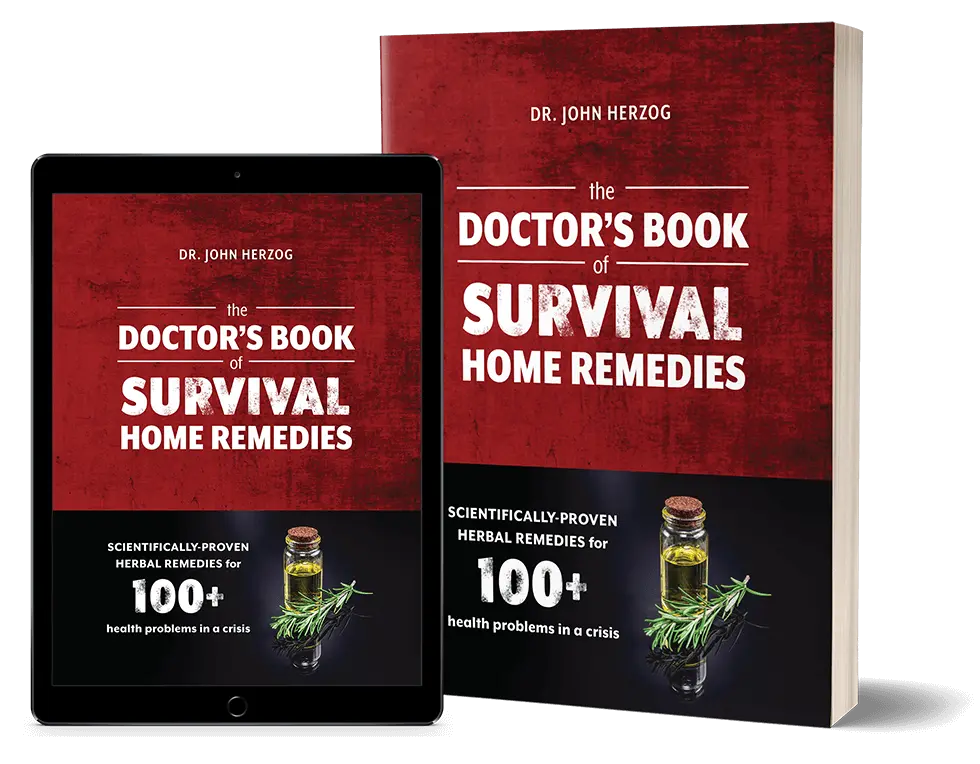
Doc’s Home Remedies: Emergency Survival Recipes
Unlock physician-backed natural remedies and home treatment protocols to safeguard your health when modern medicine and pharmacies are offline.
Doc’s Home Remedies: Emergency Survival Plan is a comprehensive guide to self-reliant healthcare designed for grid-down scenarios, medical shortages, and unexpected emergencies. Created by medical professionals, this program details how to identify, harvest, and prepare potent natural remedies from common backyard plants and everyday pantry staples. From managing severe pain, treating infections, and stabilizing chronic conditions to crafting emergency first-aid salves and tinctures, it equips families with the practical medical knowledge required to stay healthy without relying on modern hospital infrastructure.

Foraging Secrets: Nature’s Hidden Treasures
Don’t overlook the common weeds in your backyard—discover the forgotten wild superfoods and natural remedies that could save your life.
Foraging Secrets is a comprehensive physical and digital field guide designed to help homesteaders, preppers, and outdoor enthusiasts safely identify, harvest, and prepare over 100 edible and medicinal wild plants across North America. Packed with high-resolution photos, regional distribution maps, seasonal harvesting tips, and delicious recipes, this guide also features crucial “poisonous lookalike” warnings to ensure you can forage with total confidence and build long-term food self-sufficiency.
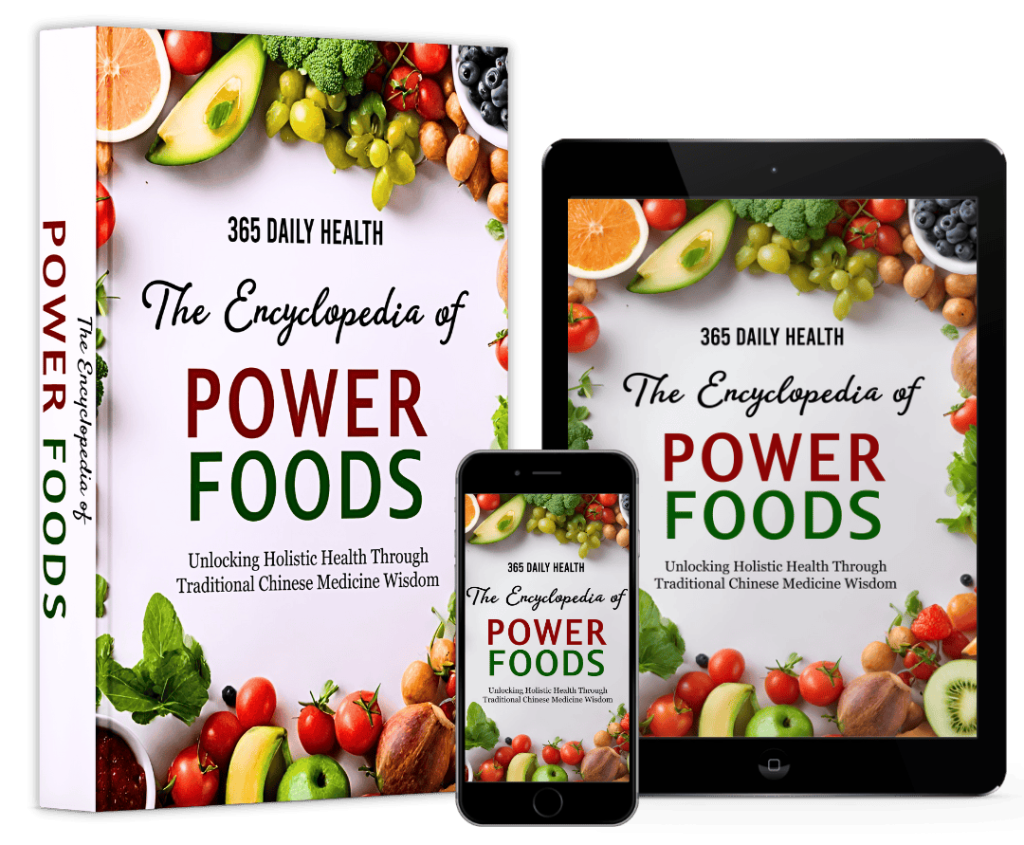
The Encyclopedia of Power Foods (365 Daily Health)
Unlock the hidden healing powers of everyday foods to naturally boost immunity, reduce inflammation, and safeguard your household’s long-term health.
The Encyclopedia of Power Foods is a practical nutritional guide created by 365 Daily Health to showcase how everyday whole foods can serve as effective natural medicine. Packed with easy-to-follow meal ideas, traditional remedies, and detailed nutritional breakdowns, this manual explains how specific superfoods can help combat chronic inflammation, lower blood pressure, improve digestion, and support overall vital energy. Ideal for health-conscious families and self-reliant homesteaders, it provides an accessible roadmap to using targeted nutrition as a first line of defense for wellness.
Survival Food Storage: What Matters Most?
Food storage is about more than buying large quantities.
Store What You Actually Eat
If your family doesn’t normally eat lentils, buying a huge supply may create waste.
Instead, gradually build your emergency pantry around foods you already use.
Rotate Your Supplies
Use older products first and replace them with newer purchases.
This helps prevent your emergency food supply from becoming forgotten food at the back of a cupboard.
Protect Food From Heat and Moisture
Keep food in an appropriate:
- Cool
- Dry
- Clean
- Pest-resistant
storage environment.
Keep Water in the Plan
Some emergency foods require substantial amounts of water for cooking.
For example, dried beans and some grains require more preparation than ready-to-eat foods.
Therefore, food storage and water storage should be planned together.
Food Preservation for Long-Term Survival
If you want your food supply to last longer, learn preservation methods as well as recipes.
Common methods include:
- Canning
- Dehydration
- Freezing
- Fermentation
- Pickling
- Drying
- Root-cellaring
- Cold storage
However, food preservation has important safety requirements.
The National Center for Home Food Preservation recommends using research-tested recipes from reliable sources for home canning. Improvised processing times or untested recipes can create serious food-safety risks, including botulism.
For this reason, don’t invent your own canning times or modify the proportions of a tested canning recipe without understanding the food-safety implications.
How to Build a Survival Food Pantry
A useful pantry should provide variety rather than simply quantity.
Build Around Five Categories
1. Carbohydrates
Examples:
- Rice
- Oats
- Pasta
- Flour
- Potatoes
- Couscous
2. Protein
Examples:
- Beans
- Lentils
- Chickpeas
- Canned fish
- Canned meat
- Peanut butter
3. Fruits and Vegetables
Examples:
- Canned tomatoes
- Canned vegetables
- Canned fruit
- Dehydrated vegetables
- Dried fruit
4. Fats
Examples:
- Cooking oils
- Peanut butter
- Nuts
- Seeds
5. Flavor and Cooking Ingredients
Examples:
- Salt
- Sugar
- Honey
- Bouillon
- Herbs
- Spices
- Sauces
This structure gives you ingredients that can be combined into dozens of different meals.
Don’t Forget the Water
Many food-storage plans focus heavily on calories while overlooking water.
Water may be required for:
- Drinking
- Cooking
- Food preparation
- Hygiene
- Cleaning
- Rehydrating dehydrated foods
Therefore, your emergency food plan should always be considered together with your water plan.
Practice Your Survival Food Recipes Before an Emergency
One of the biggest mistakes in food preparedness is storing food without ever using it.
Before an emergency, try cooking:
- Rice and beans
- Lentil soup
- Oatmeal
- Pasta
- Dehydrated vegetables
- Canned meat
- No-cook meals
Also test your alternative cooking equipment if you have it.
This helps you discover:
- Which foods your family likes
- How much water you need
- How much fuel you consume
- Which recipes take too long
- Which ingredients are missing
- Which foods need better storage
Preparedness becomes much more useful when you’ve already practiced the process.
How We Selected These Survival Food Recipes
The recipes in this guide were selected around practical emergency-food principles:
- Shelf-stable ingredients
- Simple preparation
- Minimal equipment
- Adaptability
- Reasonable nutritional variety
- Family practicality
- No-cook alternatives
- Power-outage usefulness
The book recommendations were selected separately to cover five different needs: emergency cooking, recipes, food-storage planning, preservation, and traditional self-sufficiency.
This avoids treating every survival-food book as if it teaches the same thing.
Frequently Asked Questions About Survival Food Recipes
What are the best survival food recipes?
Some practical options include rice and beans, lentil stew, oatmeal with peanut butter, canned tuna pasta, potato and bean soup, couscous bowls, emergency fried rice, no-cook bean salad, trail mix, and pasta with tomato and beans.
What are the top 10 survival foods?
There is no universal top ten, but useful emergency pantry staples include rice, oats, beans, lentils, pasta, canned vegetables, canned fruit, canned fish or meat, peanut butter, and powdered or shelf-stable milk.
The right combination depends on dietary needs, cooking equipment, storage conditions, and available water.
What are some examples of homemade survival foods?
Examples include dehydrated vegetables, dried fruit, hardtack, granola, energy bars, trail mix, dried soup mixes, fruit leather, properly canned foods, and fermented foods prepared using safe methods.
What is the best food to have for survival?
The most useful emergency food is food that your household will actually eat, stores safely, provides useful nutrition, and can be prepared using the equipment and water you have available.
A varied pantry is generally more practical than relying on a single food.
What are the 39 foods you should stockpile?
There is no official universal list of 39 foods. A practical stockpile can include grains, legumes, protein foods, fruits, vegetables, fats, dairy alternatives, seasonings, and ready-to-eat foods. The 39-item checklist in this guide provides one way to organize those categories.
What foods last the longest in storage?
Shelf life depends heavily on the food, packaging, storage conditions, and manufacturer or preservation method.
Dry staples and commercially packaged shelf-stable foods can have long storage lives when stored correctly, but “long shelf life” does not mean indefinite safety.
What food can you eat during a power outage?
Foods that don’t require refrigeration or cooking are especially useful during a power outage.
Examples include:
- Canned foods
- Crackers
- Peanut butter
- Nuts
- Dried fruit
- Ready-to-eat meals
- Shelf-stable bars
You should also have foods that can be safely prepared with an alternative cooking method.
How long will food last in a refrigerator without power?
According to USDA guidance, an unopened refrigerator generally keeps food safe for about 4 hours. A full freezer can generally maintain a safe temperature for about 48 hours, while a half-full freezer can generally maintain it for about 24 hours, assuming the doors remain closed.
Can I make survival food without cooking?
Yes.
No-cook survival foods include:
- Peanut butter
- Crackers
- Nuts
- Dried fruit
- Canned foods
- Ready-to-eat meals
- Some canned beans and vegetables
Having no-cook options is particularly useful when fuel or electricity is unavailable.
Is home-canned food good for survival?
Properly canned food can be an important part of a food-storage plan, but home canning must be done safely.
The National Center for Home Food Preservation recommends using tested recipes from reliable sources, including USDA, NCHFP, and university extension resources.
What is the best survival food for a family?
There isn’t one best food for every family. A combination of grains, legumes, proteins, fruits, vegetables, fats, and ready-to-eat foods provides greater variety and flexibility.
Final Thoughts: Make Your Survival Food Useful
The most useful survival food recipes aren’t necessarily complicated.
A simple combination of rice, beans, vegetables, spices, and a protein source can produce several different meals. Oats can become breakfast, energy bars, or a baking ingredient. Canned vegetables can become soup, pasta sauce, rice bowls, or salads.
The key is to build a pantry around foods you already know how to prepare.
Start with a few recipes, practice them before an emergency, learn how to cook without your normal kitchen equipment, and gradually expand your food-storage system.
Most importantly, don’t confuse food storage with food preparedness.
A shelf full of ingredients is only useful if you know how to safely store them, prepare them, and turn them into meals your household will actually eat.
Related Survival & Preparedness Guides
You may also want to explore:
- Best Emergency Preparedness Books
- Best Off Grid Survival Books
- Best Homesteading Books
- Best DIY Books
- Best Survival Medicine Books
- Best Wilderness Survival Books