Imagine you’re out camping when the weather suddenly changes. Your phone battery is almost dead, your shelter needs a quick repair, and you need a reliable way to start a fire. Or imagine a power outage at home when you need to make a repair, find your way around in the dark, or deal with an unexpected problem.
In situations like these, the right equipment can make a difficult situation easier to manage.
But buying survival gear can quickly become confusing. There are hundreds of knives, multi-tools, fire starters, water filters, emergency gadgets, and survival kits available. Some are genuinely useful, while others may add unnecessary weight or duplicate equipment you already own.
That’s why choosing the right survival tool is about more than buying the most expensive gadget or the biggest kit.
It’s about finding reliable equipment that solves real problems.
In this guide, we’ll explore the best types of survival tools for outdoor adventures, bushcraft, camping, and emergency preparedness. You’ll learn which tools are worth considering, what each one is designed to do, and how to build a practical collection without wasting money on unnecessary gear.
What Are the 10 Best Survival Tools?
There is no universal top-ten list that works for every environment. However, the following ten categories provide a practical starting point for many outdoor and emergency kits.
| Survival tool | Main purpose | Best suited for |
|---|---|---|
| 1. Quality knife | Cutting and general outdoor tasks | Camping and bushcraft |
| 2. Multi-tool | Minor repairs and multiple everyday functions | General preparedness |
| 3. Fire starter | Starting fires when safe and appropriate | Camping and wilderness use |
| 4. Water treatment method | Treating water for specific contamination risks | Hiking and emergencies |
| 5. Flashlight or headlamp | Lighting in darkness | Home and outdoor use |
| 6. First-aid kit | Supporting basic first aid | Every preparedness kit |
| 7. Map and compass | Navigation without relying solely on electronics | Hiking and wilderness use |
| 8. Emergency shelter or blanket | Supporting protection from exposure | Outdoor emergencies |
| 9. Cordage | Securing loads and supporting appropriate shelter tasks | Camping and bushcraft |
| 10. Emergency whistle | Signalling for assistance | Hiking and outdoor activities |
Other survival Tools
The best survival tools depend on where you plan to use them.
A camper may need a compact multi-tool, fire starter, water filter, and navigation equipment. Someone preparing for household emergencies may prioritize lighting, communication, first aid, and basic repair tools.
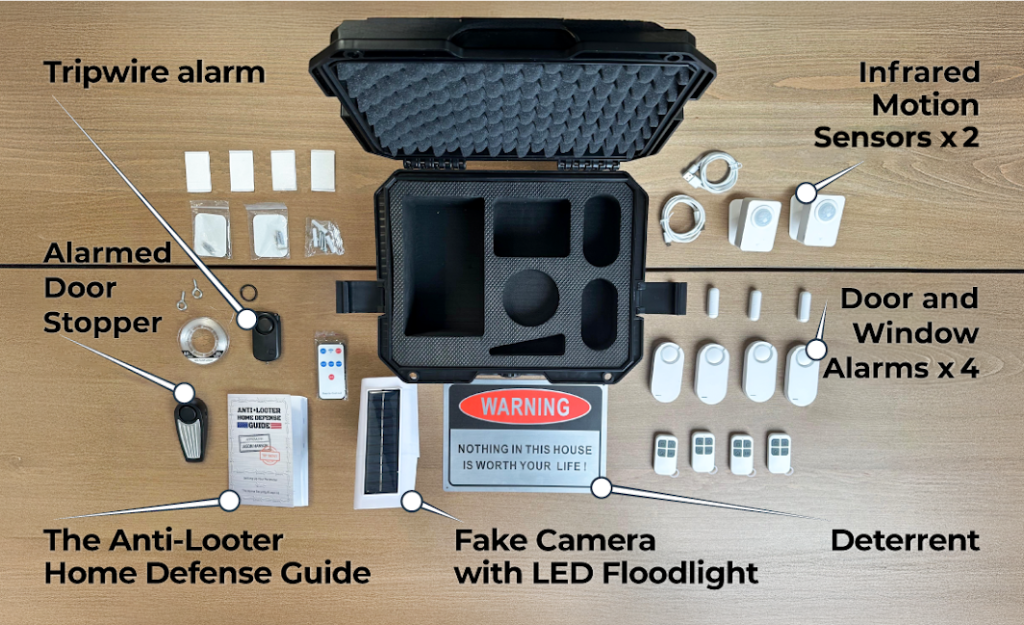
How to Improve Home Security with Better Locks
If you’ve been searching for how to improve home security with better locks, you’re already taking the first step toward making your home safer. Upgrading to stronger locks is one of the most effective and affordable ways to protect your family—but locks alone aren’t enough.
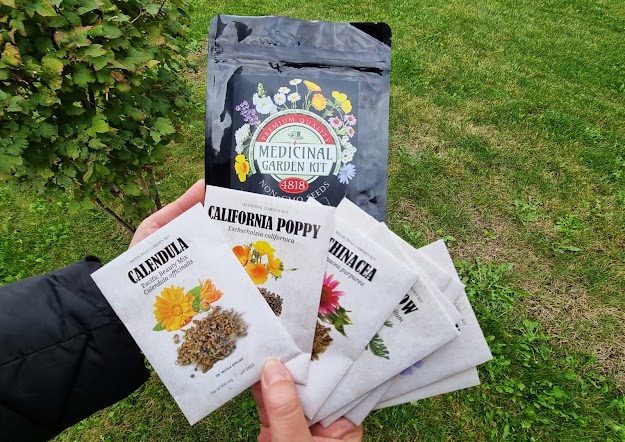
Medicinal Garden seed Kit
Inside your Medicinal Garden Kit, you’ll find 10 individual seed packets one for each plant variety. Altogether, you’ll receive 4,818 high-quality, NON-GMO seeds, conveniently packaged right here in the USA. Even if you’ve never planted a seed before, you’ll have everything you need to get started. Your kit includes the free Herbal Medicinal Guide.
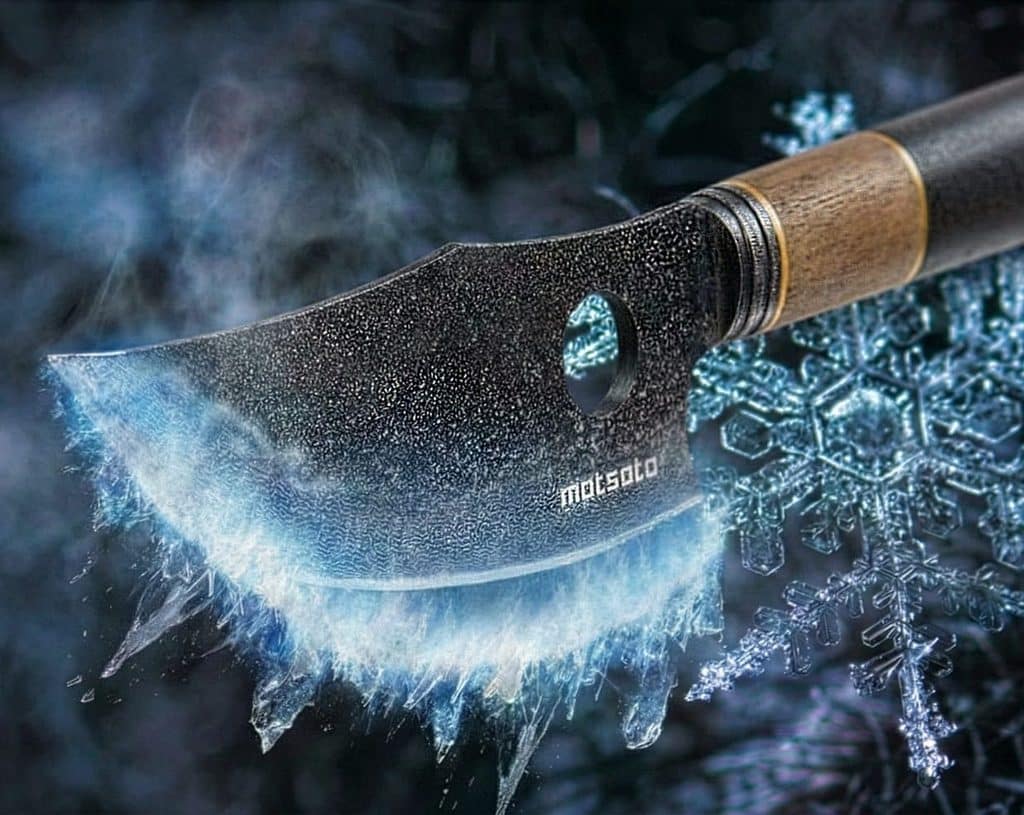
Matsato Osuren knives
The Matsato Osuren chef’s knife features a precision index-finger hole for superior control. The blade is crafted from high-quality stainless steel, ensuring a sharp, reliable edge for years to come. The pakka and acacia wood handle is designed to be one of the most comfortable and secure handles ever created.

Septic Tank Treatment
By using SEPTIFIX you will save hundreds, if not thousands of dollars each year, because your plumbing will run smoothly and you won’t have to worry about calling the pumpers or a plumber for a fix! Plus, you’ll help protect the environment, because all the water that goes out from your septic system into the environment will be 100% clean and free of chemicals and pollutants.

Your Pocket-Sized Guide to Nature’s Bounty
When survival is on the line, The Foldable Forager is your essential and constant companion. In a world of unforeseen challenges, this pocket-sized guide, adorned with vibrant full-color images, reveals over 55 of North America’s prime edible plants, trees, nuts, and more.
What Are Basic Survival Tools?
If you’re new to survival equipment, you don’t need to buy every gadget on the market.
Start with a small collection that covers the most important tasks.
Cutting and repairs
A suitable knife or multi-tool can help with cutting, opening packages, and minor repairs. Choose tools that match your actual needs and learn safe handling.
Fire and warmth
A reliable fire-starting method may be useful outdoors where fires are permitted and safe. Appropriate clothing and shelter remain essential, too.
Water
Carry a suitable water container and plan how you will obtain and treat water if necessary.
Lighting
A dependable flashlight or headlamp is useful during outdoor trips and household power outages.
Navigation
A physical map and compass can complement electronic navigation. Learn how to use them before relying on them in unfamiliar terrain.
First aid
Carry a first-aid kit appropriate to your activities, personal needs, and level of training.
Shelter and protection
An emergency blanket, suitable rain protection, or a compact shelter may help protect you from exposure when conditions change.
The aim is to cover different needs rather than carrying several gadgets that all perform essentially the same function.
What Are Survival Items, and How Are They Different From Survival Tools?
Survival items are the supplies and equipment you may need to manage an emergency. Survival tools are one part of that broader collection.
For example:
- Tools: Knife, multi-tool, flashlight, fire starter, and repair equipment.
- Water supplies: Water containers and suitable treatment equipment.
- Food supplies: Emergency food and necessary preparation equipment.
- Medical supplies: First-aid materials and personal medications.
- Shelter supplies: Emergency blankets, tarps, and weather protection.
- Navigation and signalling: Maps, compasses, whistles, and suitable communication devices.
This distinction matters because a survival kit containing many tools can still be incomplete if it lacks water, food, medical supplies, or appropriate protection from the weather.
A good kit is organized around the problems you may need to solve—not the number of gadgets you can fit inside it.
What Are the Top 7 Survival Tools?
If you want a simpler list, begin with these seven categories:
- Safe water and a suitable container – Plan how to carry water and make additional water safer when needed.
- Emergency food – Choose food suitable for the duration, environment, and people involved.
- Shelter and weather protection – Prepare for exposure to rain, wind, heat, or cold.
- First-aid supplies – Carry appropriate supplies and learn how to use them.
- Lighting – Keep a dependable flashlight or headlamp ready.
- Fire-starting equipment – Useful for suitable outdoor situations where fire is safe and permitted.
- Navigation and communication – Use appropriate maps, navigation tools, and communication methods for your environment.
These seven categories are a starting point, not a universal priority order. For a household power outage, lighting and communication may be especially important. For a remote hike, navigation, weather protection, and water planning may take greater priority.
What Are 20 Items in a Survival Kit?
A more complete survival kit can include the following items. Adapt the list to your activity, location, climate, and personal needs.
- Water bottle or suitable water container
- Water filter or appropriate water treatment supplies
- Emergency food
- First-aid kit
- Personal medications
- Flashlight
- Spare batteries or charging equipment
- Multi-tool
- Suitable knife, where appropriate
- Fire starter and backup ignition method
- Emergency blanket
- Suitable rain protection
- Map of the area
- Compass
- Emergency whistle
- Cordage
- Repair tape
- Work gloves
- Emergency contact information
- Charged communication device and suitable backup power
You may also need additional items such as insect protection, sanitation supplies, prescription medications, extra clothing, or equipment specific to your environment.
For a home emergency kit, include supplies for everyone in your household. For a hiking kit, adjust the contents to the route, weather, trip length, and availability of assistance.
Don’t treat this as a checklist that every person must carry in full. Some items belong in a backpack, some in a vehicle, and others in a home emergency kit.
What Are the 5 Most Important Survival Items?
If you had to simplify your planning, focus on five essential needs:
- Water: A plan for obtaining and treating safe drinking water.
- Shelter: Protection from the weather and environmental exposure.
- First aid: Supplies appropriate to your situation and the knowledge to use them.
- Communication: A way to obtain information and request help.
- Navigation and lighting: The ability to orient yourself and see safely when conditions require it.
The exact order depends on the emergency. In extreme weather, exposure may become urgent. In a medical emergency, getting appropriate assistance may be the first priority.
This is why survival equipment should be selected as part of a plan rather than as a collection of supposedly universal gadgets.
How to Choose the Best Survival Tool
Before purchasing a survival tool, think about how you will use it.
1. Identify the job
Are you buying it for camping, bushcraft, vehicle emergencies, household preparedness, or a general emergency kit?
A tool designed for one job may not be the best option for another.
2. Check build quality
Look for suitable materials, reliable construction, comfortable handling, and clear maintenance instructions.
Avoid judging a product solely by its appearance or the number of features advertised.
3. Consider weight and portability
A tool may be useful but impractical if it is too heavy or bulky for your intended kit.
4. Understand its limitations
A multi-tool may not replace full-size pliers. A compact saw may not be suitable for large timber. A water filter may not remove every contaminant.
Understanding limitations helps you choose more effectively.
5. Compare the cost of ownership
Consider replacement parts, batteries, filter cartridges, sharpening equipment, and other maintenance requirements.
6. Practise before relying on it
Learn how your tools work in safe conditions. Inspect and maintain them regularly.
7. Avoid unnecessary duplication
Two well-chosen tools that cover different tasks may be more useful than several gadgets that perform the same function.
Are Survival Multi-Tools Worth Buying?
A survival multi-tool can be a convenient addition to your gear because it combines several functions in one compact product.
It may be useful for minor repairs, opening containers, cutting cordage, and other tasks supported by its design.
However, multi-function does not automatically mean high quality.
Before buying, consider:
- Whether the included functions are useful
- How securely the tools operate
- Whether the tool is comfortable to hold
- How easy it is to clean and maintain
- Whether replacement parts or service are available
- Whether a dedicated tool would work better for your main task
For everyday carry, camping, and general preparedness, a compact multi-tool may be a sensible choice. For demanding work, a full-size tool designed specifically for that task may be more appropriate.
Survival Tools for Camping, Bushcraft, and Emergency Preparedness
Different situations call for different equipment.
Camping and hiking
Focus on navigation, lighting, water, first aid, weather protection, and equipment suitable for your route and expected conditions.
Bushcraft
Choose tools that support the skills you intend to practise, such as safe cutting, shelter construction, fire preparation, and working with natural materials.
Home emergencies
Prioritize lighting, communication, first aid, basic repair tools, water, food, and supplies needed by your household.
Vehicle emergencies
Consider a flashlight, first-aid supplies, a suitable warning device, basic repair equipment, a phone charger, and items appropriate to your vehicle and local conditions.
Long-term preparedness
You may need a broader collection of equipment for water, food, sanitation, power, medical needs, repairs, and self-sufficiency.
A single survival tool rarely solves every problem. Build your equipment around the situations you want to prepare for.
How We Recommend Survival Tools
Our goal is to help readers find useful survival equipment without wasting money on products that do not match their needs.
When evaluating a tool, consider:
- Functionality: Does it perform the job it claims to do?
- Build quality: Is it suitable for the intended use?
- Ease of use: Can the intended user operate it properly?
- Portability: Is the size and weight practical?
- Maintenance: Can it be cleaned, repaired, or replenished?
- Limitations: What tasks is it not suitable for?
- Value: Does the price make sense for its functions and expected use?
- User suitability: Is it appropriate for beginners, experienced campers, or specialized users?
We also recommend checking the manufacturer’s specifications, instructions, and relevant safety guidance before buying.
The aim is not to recommend the most expensive survival gear. It’s to help you choose equipment that solves a real problem and suits your intended use.
Frequently Asked Questions About Survival tools
What are the 10 best survival tools?
Ten useful survival-tool categories include a quality knife, multi-tool, fire starter, water treatment equipment, flashlight, first-aid kit, map and compass, emergency shelter, cordage, and emergency whistle. The best selection depends on whether you’re preparing for camping, wilderness travel, vehicle emergencies, or household disasters.
What are basic survival tools?
Basic survival tools include suitable cutting equipment, a fire-starting method, lighting, navigation equipment, water containers and treatment supplies, first-aid materials, and emergency shelter. Start with tools that cover different needs instead of buying multiple gadgets with overlapping functions.
What are survival items?
Survival items include the equipment and supplies used to manage emergencies, such as water, food, first-aid supplies, shelter, lighting, communication devices, navigation tools, and repair equipment. Survival tools are one category within a complete emergency kit.
What are the top 7 survival items?
Seven useful categories are water and a suitable container, emergency food, shelter and weather protection, first-aid supplies, lighting, fire-starting equipment, and navigation and communication. Your priorities should change according to the environment and type of emergency.
What are 20 items in a survival tool kit?
A practical kit can include a water container, water treatment supplies, emergency food, first-aid kit, personal medications, flashlight, spare batteries, multi-tool, suitable knife, fire starter, emergency blanket, rain protection, map, compass, whistle, cordage, repair tape, work gloves, emergency contacts, and a communication device with backup power. Adjust the list to your needs and location.
What are the 5 most important survival items?
Five important survival categories are water, shelter, first aid, communication, and navigation or lighting. However, the most urgent need depends on the circumstances. Your equipment should support a broader plan that accounts for weather, location, medical needs, and access to help.
Find the Right Survival Tools for Your Needs
You don’t need to buy every survival gadget available.
Start by identifying the situations you want to prepare for, then choose reliable tools that address those needs.
If you’re a camper, prioritize equipment for navigation, water, lighting, shelter, and first aid. For building a home emergency kit, consider lighting, communication, water, basic repairs, and household supplies. If you’re interested in bushcraft, choose tools that support the outdoor skills you want to learn.
The best survival tool is not necessarily the one with the most features.
It’s the one you understand, maintain, and can use safely when you need it.
Explore the recommended products above, compare their features, and build a practical collection that fits your budget and intended use.
Explore More Survival Guides
Continue building your preparedness knowledge with our related guides:
- Wilderness Survival Books – Learn outdoor survival skills, navigation, shelter, fire, and water management.
- Emergency Preparedness Books – Explore household emergency planning and disaster preparedness.
- Survival Medicine Books – Learn about first aid and medical preparedness resources.
- Off-Grid Survival Books – Discover resources about self-sufficiency, water, power, and off-grid living.
- DIY Books – Explore practical projects, repairs, and hands-on skills.
- Homesteading Books – Learn about gardening, food production, and self-sufficiency.
- Survival Food Recipes – Explore emergency food preparation and preservation.