The best off grid survival books teach skills that become important when you cannot depend entirely on electricity, municipal water, grocery stores, fuel supplies, or other modern infrastructure.
Unlike wilderness survival books, which usually focus on staying alive away from civilization, off-grid survival books are generally concerned with creating a more self-reliant home or property. That can include water collection and purification, food production and preservation, alternative cooking, backup power, sanitation, heating, lighting, emergency medical preparedness, and practical DIY projects.
The right book depends on your situation. Someone preparing for a temporary power outage needs different information from someone building a long-term off-grid homestead.
This guide compares five useful books for different approaches to off-grid survival, self-sufficiency, emergency preparedness, and resilient living.
Quick Answer: What Are the Best Off Grid Survival Books?
If you want to build an off-grid survival library, these five books cover different parts of the subject:
- Prepper’s Long-Term Survival Guide — best for long-term household preparedness
- When the Grid Goes Down — best for preparing a home for grid failure
- The Self-Sufficient Backyard — best for practical backyard self-sufficiency
- Back to Basics — best for traditional self-reliance skills
- When Technology Fails — best for understanding resilience when modern infrastructure breaks down
There is no single book that covers every aspect of off-grid survival in equal depth. The most useful choice depends on whether your priority is emergency preparedness, water, food, power, self-sufficiency, traditional skills, or long-term resilience.
Best Off Grid Survival Books at a Glance
| Book | Best For | Main Focus | Experience Level |
|---|---|---|---|
| Prepper’s Long-Term Survival Guide | Long-term preparedness | Food, water, shelter, security, off-grid power | Beginner to intermediate |
| When the Grid Goes Down | Grid-down home preparedness | Water, food, power, sanitation, home readiness | Beginner |
| The Self-Sufficient Backyard | Backyard self-sufficiency | Food, water, energy, DIY systems | Beginner to intermediate |
| Back to Basics | Traditional self-reliance | Food, gardening, crafts, energy, practical skills | Beginner to intermediate |
| When Technology Fails | Infrastructure resilience | Energy, water, food, transportation, technology | Intermediate |
Other Recommendations
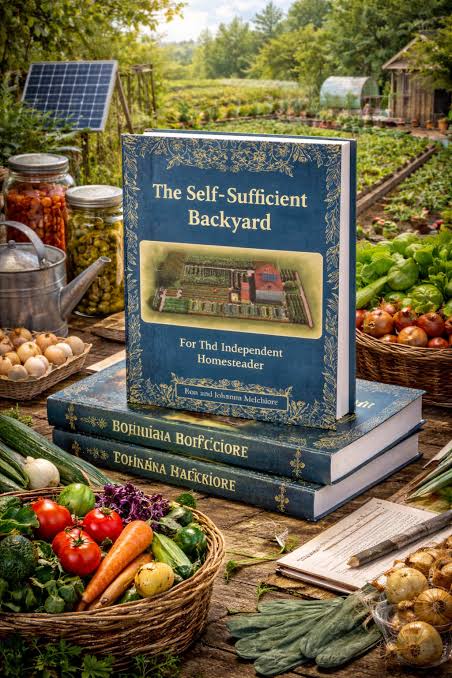
The Self-Sufficient Backyard: For Off Grid Independent Homesteader
Turn a typical money-draining house or small quarter-acre yard into a self-sustaining, debt-free homestead using 40 years of proven off-grid wisdom.
The Self-Sufficient Backyard is a comprehensive DIY homesteading manual written by Ron and Johanna McCallum, who have lived completely off-grid for over 40 years. This guide breaks down how to generate independent solar energy, harvest rain water, set up year-round greenhouses, cultivate high-yield organic gardens on minimal land, and preserve food without electricity. Packed with over 75 step-by-step projects and detailed visual illustrations, it offers practical, low-maintenance solutions for anyone seeking energy independence, food security, and total self-reliance.
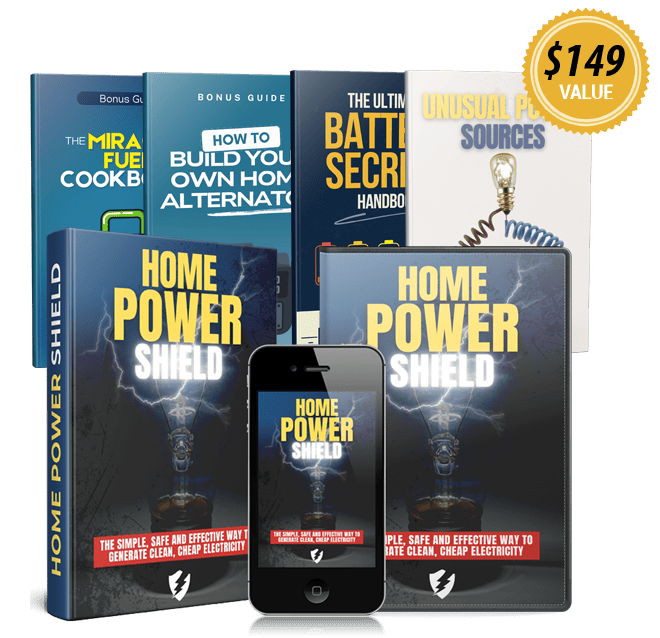
The Home Power Shield – Destroys Energy Bills
Shatter your dependence on greedy utility companies with a compact, DIY “home power plant” that delivers endless, low-cost electricity.
The Home Power Shield is a step-by-step alternative energy system created by firefighter Charles Mason to help homeowners achieve total energy independence. Based on kinetic energy and flywheel storage principles developed by NASA, this guide provides simple blueprints and an inexpensive parts list to assemble a pocket-sized, high-output power generator. Designed to lower monthly electric bills by up to 80%, it equips families to keep essential lights, heat, and critical appliances running during grid failures, severe weather events, and rolling blackouts.
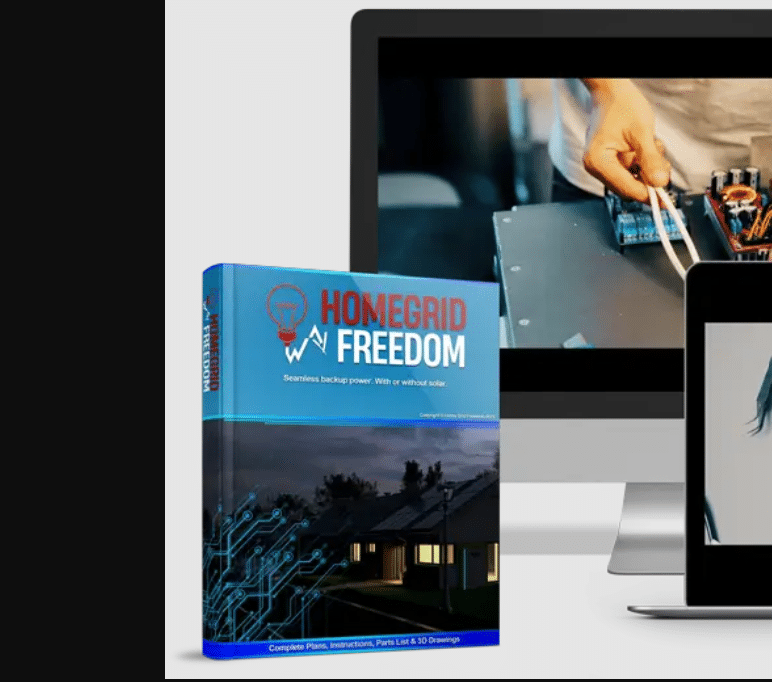
Home Grid Freedom
Safeguard your family against unpredictable blackouts and surging electricity costs with a practical, low-cost DIY energy system built for long-term power independence.
Home Grid Freedom is an accessible alternative energy guide designed to help families reduce their reliance on traditional power utilities and stay protected during emergency blackouts. The system features detailed, easy-to-follow blueprints that show you how to assemble a portable, high-efficiency power generator using budget-friendly, off-the-shelf components. Perfect for homeowners, homesteaders, and preppers, this reliable setup allows you to keep critical refrigeration, lighting, and household electronics running during severe weather storms or grid failures without depending on loud, expensive gas generators.

The Power Grid Generator
Don’t get left in the dark during sudden blackouts—build a compact, reliable power system that keeps your family warm, safe, and fully powered for pennies.
The Power Grid Generator is a step-by-step DIY emergency energy guide designed for homeowners, preppers, and off-grid enthusiasts. This manual provides detailed blueprints, clear schematics, and an inexpensive parts list to construct an independent backup power system using readily available materials. Built to withstand extreme weather, grid instability, and unexpected power outages, it allows you to run critical household appliances, lights, and medical devices without depending on noisy, expensive gas generators or costly solar setups.
Joseph’s Well: Atmospheric Water Generator Guide
Harvest up to 50 gallons of pure, drinkable water every single day directly from thin air—without drilling expensive wells or relying on public utilities.
Joseph’s Well is a step-by-step DIY atmospheric water generator guide inspired by battle-tested Israeli military technology. Designed by off-grid survivalist John Gilmore, this program provides simple, low-cost instructions to build a quiet, self-sustaining water harvesting system using easy-to-find components. Ideal for preppers, homesteaders, and faith-driven families preparing for severe megadroughts or emergency outages, it delivers a steady, off-grid supply of clean drinking water from ambient air humidity without drawing public attention.
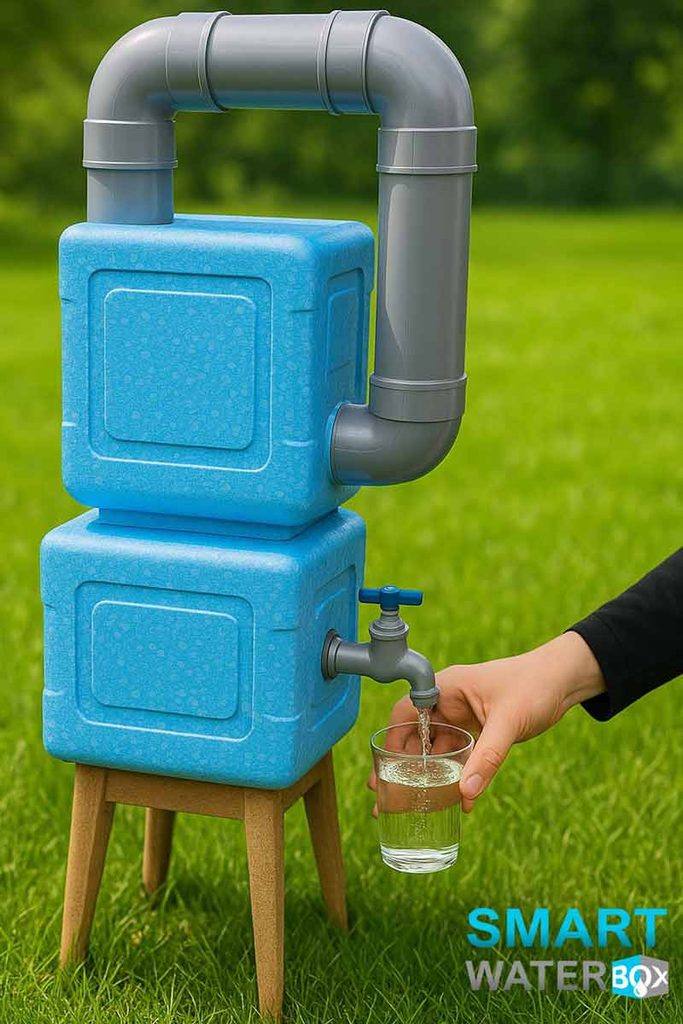
Smart Water Box
Protect your family from sudden grid blackouts and severe water shortages by harvesting gallons of pure, drinkable water directly from thin air.
Water Smart Box is an easy-to-follow DIY guide designed to help families and homesteaders achieve total water independence without spending thousands on commercial systems. Providing clear assembly instructions, detailed schematics, and an inexpensive parts list, the manual shows you how to construct a compact atmospheric water generator using readily available materials. It enables you to produce an unlimited, off-grid supply of clean drinking water every day—shielding your household from municipal contamination, droughts, and emergency supply disruptions.

How to make Solar Innovator
Slash your electricity bills by up to 70% with a revolutionary 3D spherical solar design that generates continuous off-grid energy in a fraction of the space.
Solar Innovator System is a DIY alternative energy guide created by Mark Miller that reveals how to build a compact, high-efficiency solar sphere generator. Inspired by 3D spherical solar cell technology, this step-by-step system captures sunlight from multiple angles at once—maximizing daily power output while occupying up to 85% less space than traditional flat roof panels. Designed for homeowners, homesteaders, and preppers, it provides an affordable, easy-to-assemble power solution to keep essential household electronics running during blackouts and reduce dependence on utility companies.
Kinetic Power System
Unlock an endless source of clean, low-cost electricity using a simple, kinetic energy generator that cuts utility bills and keeps your power on during blackouts.
The Kinetic Power System is a step-by-step DIY energy guide designed to help homeowners and off-grid enthusiasts build a high-efficiency power generator based on kinetic energy principles. Providing clear blueprints, easy-to-follow instructions, and an affordable list of off-the-shelf materials, this manual details how to assemble a self-sustaining backup power source. It allows families to slash monthly electric bills, reduce dependency on big power corporations, and keep essential household appliances running smoothly during severe storms, rolling blackouts, or grid disruptions.
What Should You Look for in the Best Off Grid Survival Books?
A useful off grid survival book should do more than describe why self-reliance matters.
Look for resources that explain how to develop practical systems.
1. Water Independence
Water should be one of the first subjects you evaluate.
An off-grid reference may cover:
- Water storage
- Rainwater collection
- Filtration
- Purification
- Wells
- Alternative water sources
- Water conservation
- Emergency water planning
Water systems are highly location-specific, so local regulations and water-quality requirements matter.
2. Food Production and Storage
Long-term off-grid resilience is difficult without a dependable food strategy.
Look for information about:
- Gardening
- Food preservation
- Seed saving
- Pantry storage
- Livestock
- Fishing
- Foraging
- Cooking without electricity
- Food production planning
A useful library should address both producing food and preserving it.
3. Off-Grid Power
Electricity can support communication, refrigeration, water pumping, lighting, medical equipment, and other essential household functions.
Books may cover:
- Solar power
- Batteries
- Backup generators
- Energy conservation
- Alternative lighting
- Small-scale renewable energy
- Backup power planning
Technical electrical work should be approached carefully and according to current local requirements.
4. Heating and Cooking
An off-grid survival plan should also consider what happens when conventional heating and cooking systems are unavailable.
Relevant topics include:
- Wood heating
- Alternative cooking
- Solar cooking
- Propane systems
- Fuel storage
- Insulation
- Passive heating and cooling
Always follow manufacturer instructions and local fire and fuel-safety requirements.
5. Sanitation and Hygiene
Sanitation is sometimes overlooked in survival planning.
A prolonged infrastructure disruption can affect:
- Toilets
- Wastewater
- Trash collection
- Laundry
- Bathing
- Hand hygiene
- Food hygiene
A useful off-grid guide should consider these everyday needs rather than focusing exclusively on food, weapons, or shelter.
Off Grid Survival vs. Wilderness Survival
These two categories overlap, but they are not the same.
Off-Grid Survival
Focuses primarily on maintaining a home, property, or homestead when modern infrastructure is unavailable.
Common topics include:
- Water systems
- Food production
- Solar power
- Backup energy
- Sanitation
- Food preservation
- Home heating
- Emergency preparedness
Wilderness Survival
Focuses on surviving away from established infrastructure.
Common topics include:
- Shelter
- Fire
- Navigation
- Water
- Wild foods
- Tracking
- Signaling
- Wilderness first aid
If your goal is preparing your home for prolonged power or utility disruptions, an off-grid survival book is generally a closer match than a wilderness survival manual.
Off Grid Survival vs. Homesteading
Off-grid survival and homesteading also overlap significantly.
Homesteading generally emphasizes producing more of your household’s needs through gardening, livestock, preservation, DIY, and other practical skills.
Off-grid survival puts greater emphasis on maintaining essential services and capabilities when conventional infrastructure fails.
For example:
| Skill | Homesteading | Off-Grid Survival |
|---|---|---|
| Gardening | Core skill | Important |
| Food preservation | Core skill | Important |
| Solar power | Useful | Important |
| Water storage | Useful | Critical |
| Livestock | Common | Optional |
| Emergency power | Useful | Important |
| Traditional crafts | Common | Useful |
| Emergency planning | Helpful | Core concern |
The two approaches complement each other.
How to Build an Off Grid Survival Library
You don’t need one book to teach everything.
A practical library can be divided into several categories.
Start With a General Survival Guide
Choose a broad book covering preparedness, food, water, shelter, and emergency planning.
Add an Off-Grid Reference
Use a dedicated guide for power, water, sanitation, and household resilience.
Add a Gardening Book
Learn how to produce food appropriate to your climate and property.
Add a Food Preservation Book
Learn safe methods for preserving and storing what you grow or purchase.
Add a Practical DIY Book
Develop the ability to repair, maintain, and build basic systems around your property.
Add Specialist References
Depending on your goals, you might eventually add books covering:
- Solar power
- Water systems
- Livestock
- Gardening
- Food preservation
- Woodworking
- Mechanical repair
- First aid
- Traditional skills
Can You Survive Off Grid Without Electricity?
Living without electricity is possible, but it requires planning around the functions electricity normally provides.
An off-grid household may need alternatives for:
- Lighting
- Refrigeration
- Water pumping
- Cooking
- Heating
- Communication
- Medical equipment
- Charging devices
- Food preservation
This is why the strongest off grid survival books don’t focus only on solar panels or generators.
They consider the larger system of water, food, energy, sanitation, shelter, communication, and human needs.
How to Prepare for a Grid-Down Emergency
You don’t have to move to a remote property to prepare for a grid-down situation.
A practical progression is:
Step 1: Identify Your Dependencies
List the things your household relies on every day:
- Electricity
- Municipal water
- Refrigeration
- Internet
- Fuel
- Heating
- Medical services
- Grocery stores
Step 2: Create Backups
Identify reasonable alternatives for your most important needs.
Step 3: Store Essential Supplies
Maintain appropriate supplies of:
- Drinking water
- Food
- Lighting
- Basic medical supplies
- Cooking fuel
- Batteries
- Communication equipment
Step 4: Learn Practical Skills
Practice:
- Water treatment
- Cooking without mains electricity
- Food preservation
- Basic repairs
- Gardening
- Emergency sanitation
Step 5: Test Your Systems
A backup system that has never been tested may not work when you need it.
Practice during ordinary conditions so that you can identify problems before an actual emergency.
Are Off Grid Survival Books Worth Buying?
They can be valuable when they provide information you can practice before an emergency.
A good reference can help you understand systems that are difficult to learn from a short online article, particularly when the book combines:
- Diagrams
- Checklists
- Project instructions
- Equipment information
- Troubleshooting
- Background explanations
- Practical examples
The biggest benefit comes from using the book as a training resource rather than simply storing it on a shelf.
Read a chapter, perform a relevant project safely, and document what worked for your situation.
What Makes a Good Off Grid Survival Book?
When comparing off grid survival books, consider these factors:
Practicality
Does the book explain what to actually do?
Breadth
Does it cover several essential needs or concentrate on one specialist subject?
Technical Depth
Does it provide enough detail for your experience level?
Visual Instruction
Are diagrams, photographs, and illustrations used where they improve understanding?
Real-World Applicability
Can the information be adapted to your home, property, climate, and available resources?
Safety
Does the book recognize the risks associated with electricity, fire, water treatment, food preservation, construction, and other technical activities?
Long-Term Reference Value
Will you still use the book after you’ve completed your initial preparedness projects?
How We Selected These Off Grid Survival Books
The recommendations were selected around the main needs behind off-grid survival rather than simply choosing five general survival manuals.
We considered:
- Grid-down preparedness
- Water independence
- Food production and preservation
- Alternative energy
- Home resilience
- Traditional practical skills
- DIY capability
- Beginner accessibility
- Long-term reference value
The list also deliberately includes different approaches. Some books focus more heavily on emergency preparedness, while others emphasize self-sufficient living and traditional skills.
That gives readers a way to choose according to their own situation rather than treating one book as a universal solution.
Frequently Asked Questions About Off Grid Survival Books
What are the best off grid survival books?
The best choice depends on what you need to learn. Prepper’s Long-Term Survival Guide focuses on long-term preparedness, When the Grid Goes Down concentrates on home readiness during grid failure, while The Self-Sufficient Backyard focuses more on practical self-sufficiency.
What is the best off grid survival book for beginners?
Beginners may benefit from a book that introduces several core systems without requiring extensive technical knowledge. When the Grid Goes Down provides a focused introduction to preparing a home for utility disruptions, while Prepper’s Long-Term Survival Guide offers broader long-term preparedness coverage.
How to survive off grid book: what should it teach?
A useful guide should address more than shelter and food. Look for information about water, food production, preservation, energy, cooking, heating, sanitation, communication, emergency medical preparedness, and basic repairs.
How to survive off the grid without electricity?
You need alternatives for the services electricity normally provides. Depending on your situation, that may include solar power, battery storage, alternative cooking, non-electric lighting, gravity-fed or manually operated water systems, food preservation methods, and backup communication.
Can an off-grid survival book teach me to live completely off grid?
A book can provide foundational knowledge, but completely off-grid living involves site-specific decisions about water, energy, sanitation, food, buildings, climate, equipment, and local regulations. Practical experience and specialist resources are also important.
What is the difference between an off-grid survival book and a prepper book?
There is substantial overlap. Prepper books generally emphasize preparedness for emergencies, while off-grid books often place greater emphasis on self-reliant systems for water, food, energy, shelter, and household infrastructure.
Are off-grid survival books useful for people living in cities?
Yes, although the application is different.
Urban readers can use off-grid principles to develop:
- Backup power
- Water storage
- Emergency food supplies
- Alternative cooking
- Lighting
- Food preservation
- Balcony or container gardening
- Emergency communication
Not every rural off-grid technique will be practical in an apartment or urban home.
What should I learn first for off-grid survival?
Start with the essentials: water, food, energy, sanitation, shelter, and communication.
Then identify which systems your household depends on most and create realistic alternatives.
Can I combine off-grid survival books with homesteading books?
Yes. They complement each other particularly well.
Homesteading books can provide deeper knowledge about gardening, livestock, food preservation, and traditional skills, while off-grid survival books can add emergency planning, backup systems, energy independence, and grid-down preparedness.
Final Thoughts: Choosing the Best Off Grid Survival Books
The best off grid survival books are not necessarily the books with the most dramatic survival scenarios. The most useful references are the ones that help you understand how to maintain essential needs when normal infrastructure becomes unreliable.
For broad long-term preparedness, Prepper’s Long-Term Survival Guide provides a useful foundation. When the Grid Goes Down focuses more directly on keeping a home functional during infrastructure disruptions.
For readers interested in building genuine self-reliance at home, The Self-Sufficient Backyard offers a different perspective, while Back to Basics expands into traditional skills. When Technology Fails provides a broader examination of resilience and dependence on modern systems.
You don’t need to become completely off-grid overnight.
Start by identifying your most important dependencies, learn one practical skill at a time, build backup systems gradually, and test them before you need them.
That approach turns an off-grid survival book from something you read into knowledge you can actually use.
Related Survival & Self-Sufficiency Guides
You may also want to explore:
- Best Homesteading Books
- Best Wilderness Survival Books
- Best Emergency Preparedness Books
- Best Survival Medicine Books
- Best Survival Food Books
- Best Post-Apocalyptic Books